The Pigeon Forge Bedroom Count Where The Cabin Becomes A Different Building
October 1, 2026
October 1, 2026
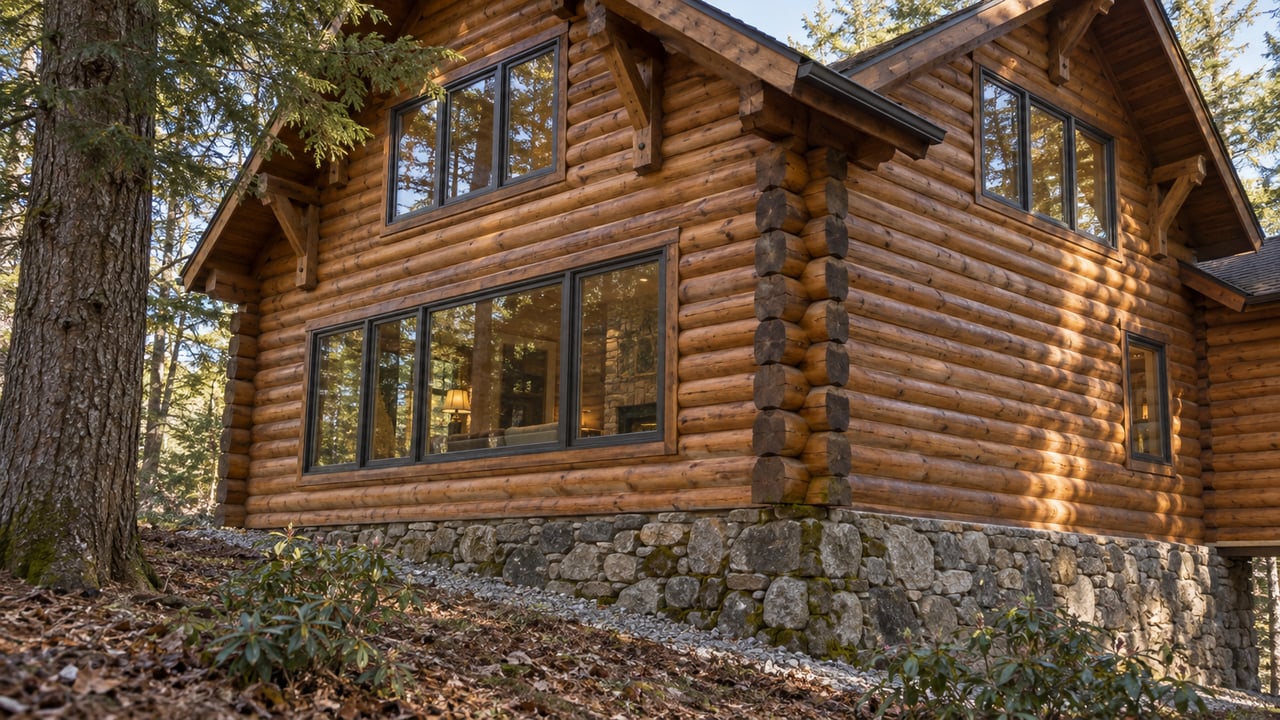
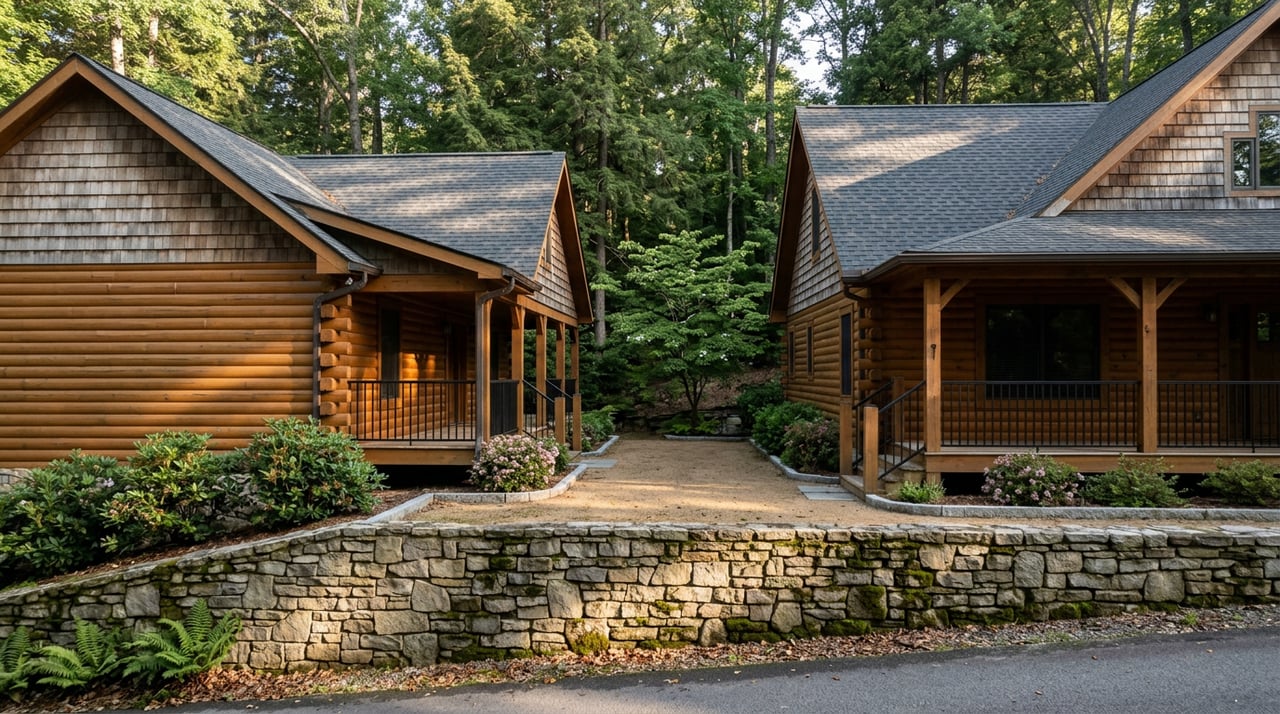
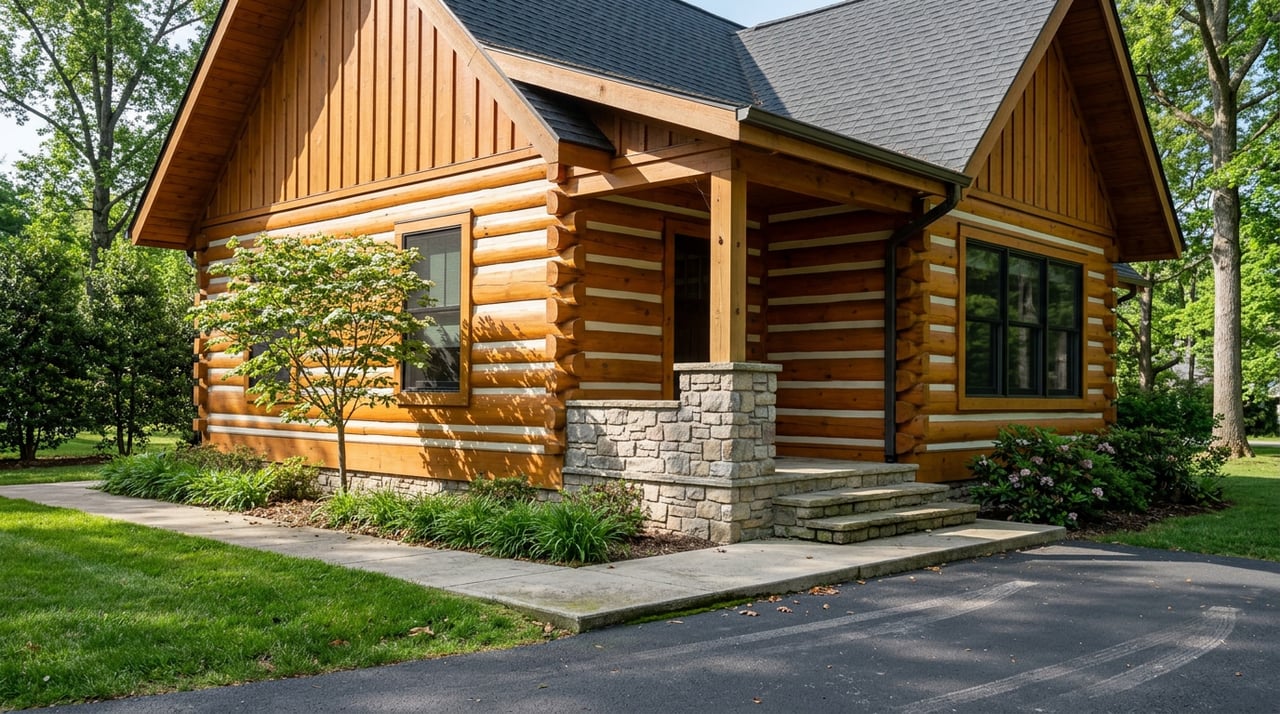
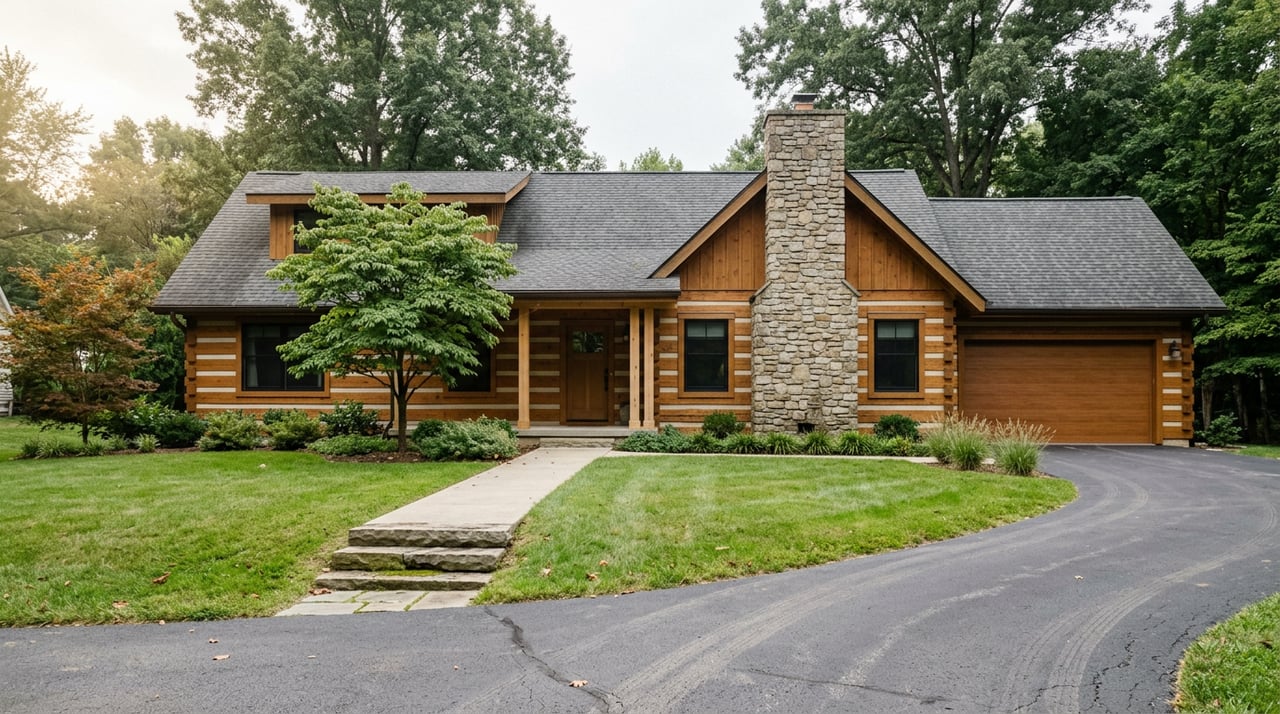
Mountain Time, a five-bedroom log lodge at Eagle Ridge Resort, sleeps sixteen guests across a rec room stocked with a pool table, dartboard, and poker table, plus a screened outdoor hot tub and gas fireplace. A four-bedroom cabin a few minutes away, built on a comparable footprint with comparable finishes, tops out well below that headcount and rents for less per night. The gap between those two cabins isn't just square footage or decor. It sits on top of a construction line that neither listing mentions, and it happens to fall in almost the same place as the market's steepest revenue jump.
Investors comparing floor plans in Pigeon Forge usually work from the revenue side first: how many bedrooms, what does the market pay per night, what's the payback period. That's the right instinct, but it stops one step short of the full picture. The bedroom count that produces the sharpest jump in rental income is also, within a bedroom or two, the point where Pigeon Forge stops treating a structure like a house and starts requiring it to meet the same life-safety standard as a small hotel. That shift changes what the building costs to construct or convert, and it doesn't show up anywhere on the income side of a listing sheet.
Bedroom-level pricing data for Pigeon Forge shows nightly rates climbing steadily with size: one-bedroom units averaging around $141 a night, four-bedroom properties reaching roughly $262, and six-or-more-bedroom cabins commanding close to $598, according to Rabbu's Pigeon Forge market data compiled in April 2026. Market-wide, Pigeon Forge's short-term rental listings earned an average of $65,200 in the twelve months ending August 2026, up 32.7 percent year over year, with occupancy at 56 percent and an average daily rate of $344 per booked night, according to AirDNA's Pigeon Forge overview refreshed in September 2026. Active listings, meanwhile, fell to 3,120 as of that same snapshot, down 26.9 percent from a year earlier, a supply pullback happening at the same time per-listing revenue climbed.
Inside that overall curve, the interesting move isn't gradual. Analysts tracking bedroom-level performance in the Pigeon Forge market describe the line between four and five bedrooms as the point where a cabin crosses from a family unit into group-cabin territory, the segment booked for reunions, youth groups, and bachelorette weekends, where nightly rates step up by more than $100 in a single bedroom increment rather than the smoother climb seen at smaller sizes. December tends to be the strongest revenue month in this market, carried by holiday travel, while January is the softest, with occupancy across the market dropping into the low 20s percent. A cabin sized to capture large-group bookings has more room to absorb that seasonal swing than a smaller unit does.
Here's where the construction side catches up with the revenue side. Pigeon Forge requires any residential structure used for overnight rental to meet hotel and motel-grade life-safety standards, including sprinkler systems, minimum exit counts, and guardrail heights, once that structure exceeds five sleeping rooms, accommodates twelve or more occupants, or tops 5,000 square feet. That threshold applies to the building itself, independent of which zoning district it sits in.
The requirement that trips buyers up most often isn't the sprinklers. It's that plans for any structure proposed for overnight rental use must carry the seal of a Tennessee-registered architect or engineer, a rule that applies to the building approval process rather than to the rental permit itself. A buyer can hold a clean, active short-term rental permit and still discover that the structure was never built, or never renovated, to the standard the city requires once it crosses that size line. The permit tells you the cabin is allowed to rent. It doesn't tell you whether the building was constructed to the code that governs a structure of its size.
Put the two data points next to each other and the coincidence stops looking like a coincidence. The bedroom count where Pigeon Forge's rental market pays the biggest premium is the same bedroom count where the city's building code requires a materially different, more expensive construction standard. An investor chasing the revenue jump by adding a fifth bedroom to a four-bedroom cabin isn't just adding a room. Depending on the resulting occupant count and square footage, they may be converting a residential renovation into a commercial life-safety project.
This also explains something that looks contradictory at first glance. Pigeon Forge's standard short-term rental occupancy formula caps a typical residential permit at two guests per bed, two beds per room, twelve guests total. Yet actual listings in the market routinely exceed that. Hibernation Retreat, a twelve-bedroom lodge in Pigeon Forge, sleeps fifty-eight guests. Those numbers aren't a loophole. They're what happens once a structure is built to the hotel-grade standard in the first place, at which point the twelve-guest formula for standard homes no longer applies, because the building was never permitted as a standard home. Meanwhile, cabins that want to grow their headcount without triggering that reclassification often do it a different way: adding bunk rooms and sleeper sofas within an existing four-bedroom footprint. It's All Good, a four-bedroom cabin at Black Bear Ridge Resort, sleeps up to fourteen guests this way, staying under the five-sleeping-room threshold while still capturing some of the larger-group booking pool.
| Bedroom count | Typical build standard | Approximate ADR* |
|---|---|---|
| 1 | Standard residential | ~$141/night |
| 4 | Standard residential (bunk rooms/sleeper sofas can add capacity) | ~$262/night |
| 5 | Often the first size to brush against the life-safety threshold | ~$373/night |
| 6+ | Hotel-grade life safety typically required (sprinklers, exit counts, stamped plans) | ~$598/night |
*Rabbu market data, April 2026. Individual cabins vary by location, amenities, and configuration.
Even before the size threshold matters, where a buyer can build a new short-term rental at all is already narrowed by zoning. Pigeon Forge's R-1 residential district only permits short-term rental use on properties that were already operating as a short-term rental on or before August 13, 2018, the date the city added that restriction to its zoning ordinance. New short-term rental investment is directed instead into R-2 and higher zoning classifications, and any short-term rental building in those R-2-plus zones, regardless of its size, requires architect or engineer-stamped plans as part of the approval process. A buyer hoping to build a genuine five-bedroom-plus group lodge from the ground up needs land zoned to allow it before the size question even comes into play. The full text of the current ordinance is available through the City of Pigeon Forge's Community Development office.
For a buyer comparing a four-bedroom cabin against a five-bedroom or larger lodge, the revenue projection is only half the underwriting. Before comparing income estimates across floor plans, it's worth confirming:
Regulations in this market do shift, so any of these should be confirmed directly with Pigeon Forge's Community Development office before an offer is written, not assumed from the listing history.
Does adding a bunk room count as a fifth sleeping room for code purposes? The size threshold is based on sleeping rooms, occupant count, and square footage, and how a specific room configuration is classified is a determination the city's Community Development office makes on a given structure, not something a listing description settles on its own.
Can an existing four-bedroom cabin be expanded to five bedrooms later? It can be attempted, but any addition that pushes the structure past five sleeping rooms, twelve occupants, or 5,000 square feet would need to meet the hotel-grade life-safety standard at that point, which is a different and more involved approval process than a standard residential addition.
Does this size threshold apply the same way outside Pigeon Forge city limits? This particular building code trigger is a Pigeon Forge city requirement. Unincorporated Sevier County runs its own separate short-term rental permit process, so a property just outside city limits should be checked against county rules rather than assumed to follow the same size threshold.
If you're weighing a four-bedroom cabin against a bigger group lodge in Pigeon Forge, the honest starting point is the permit and construction file, not the revenue chart. Kristi Street can pull that history and walk through what a specific floor plan actually costs to build or convert before you commit to a number on a spreadsheet. Request a consultation and income projection to see where a particular property lands on both sides of that line.
Stay up to date on the latest real estate trends.
With over 20 years of experience in the Smoky Mountains market, I help buyers, sellers, and investors navigate resort and residential real estate with confidence. My background in short-term rentals gives my clients a strategic edge—from zoning and income potential to identifying properties that truly fit their goals. I approach every transaction with integrity, transparency, and careful attention to detail, so you can move forward informed, protected, and positioned for long-term success.
Let's Connect
405 Boyds Creek Hwy Seymour, TN 37865