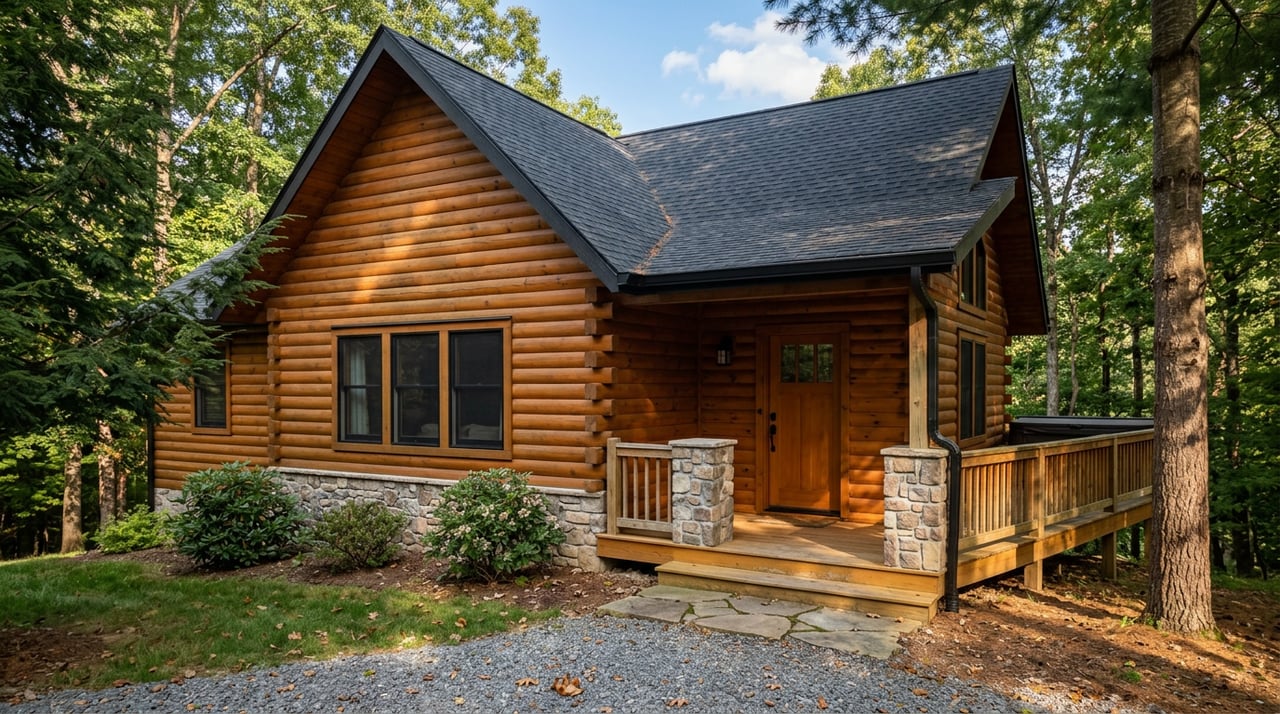
Your Guide to Pigeon Forge Second Home Cabins
March 24, 2026
March 24, 2026
Thinking about a mountain getaway you can return to year after year? If you want easy access to national park trails, top family attractions, and a cozy place to gather, Pigeon Forge cabins check a lot of boxes. You will learn why second-home buyers choose this market, what cabins and communities are like, and the practical checks that help you buy with confidence. You will also see what to expect if you plan to rent part-time. Let’s dive in.
Owning near the Great Smoky Mountains means your favorite trails and scenic drives are always close. Great Smoky Mountains National Park saw about 13 million visits in 2023, which speaks to its year-round appeal for day hikes, waterfalls, and wildlife viewing. From most Pigeon Forge cabins, you can make an easy day trip to the park via the Parkway through Gatlinburg. That blend of nature access and in-town convenience is what many second-home buyers want.
Pigeon Forge is built for multi-generation fun. Dollywood’s seasonal entertainment and dinner shows keep calendars full, while The Island and the Parkway offer dining, rides, and arcades that make planning family visits simple. The area’s visitor economy supports a steady stream of entertainment and events. Sevier County visitor spending was about $3.85 billion in 2023, which helps explain the wide range of activities and services here.
If you live in the region, Pigeon Forge is a practical weekend drive. For fly-ins, McGhee Tyson Airport (TYS) in Knoxville is about 45 to 75 minutes from most cabins, depending on location and traffic. That travel window makes it realistic to slip away for a long weekend or school break. Ease of access matters when you want to actually use your second home.
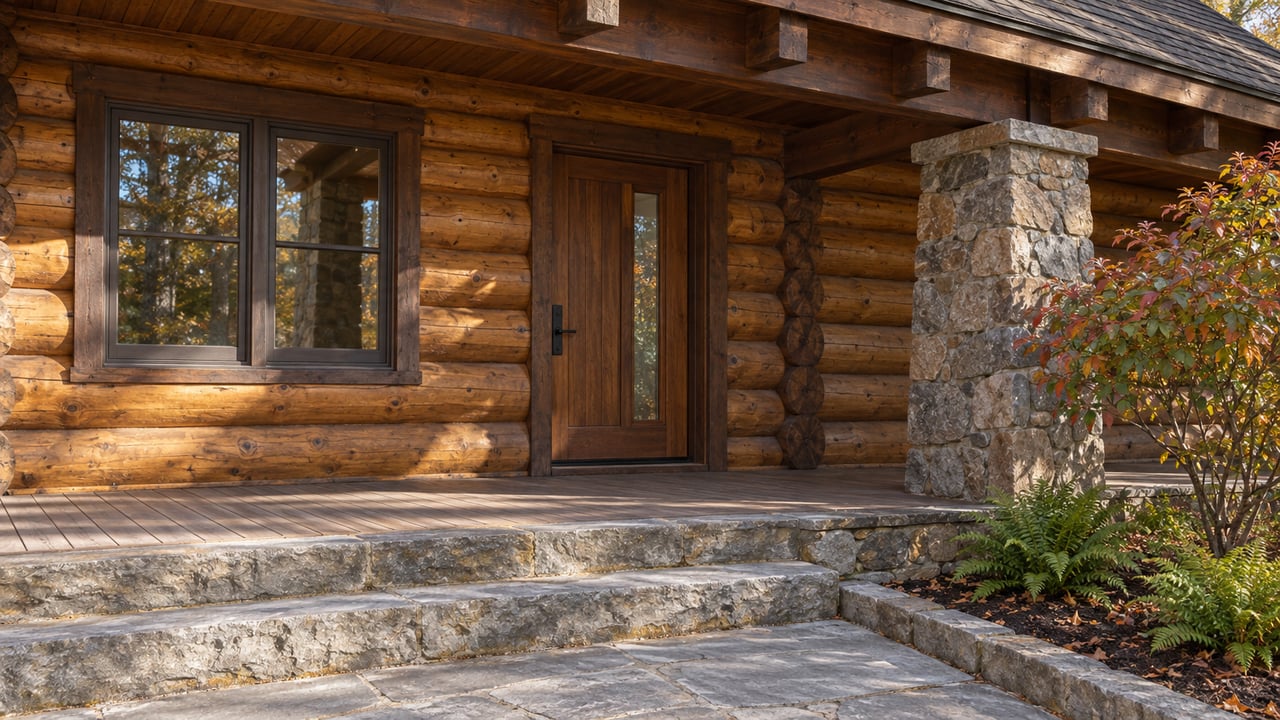
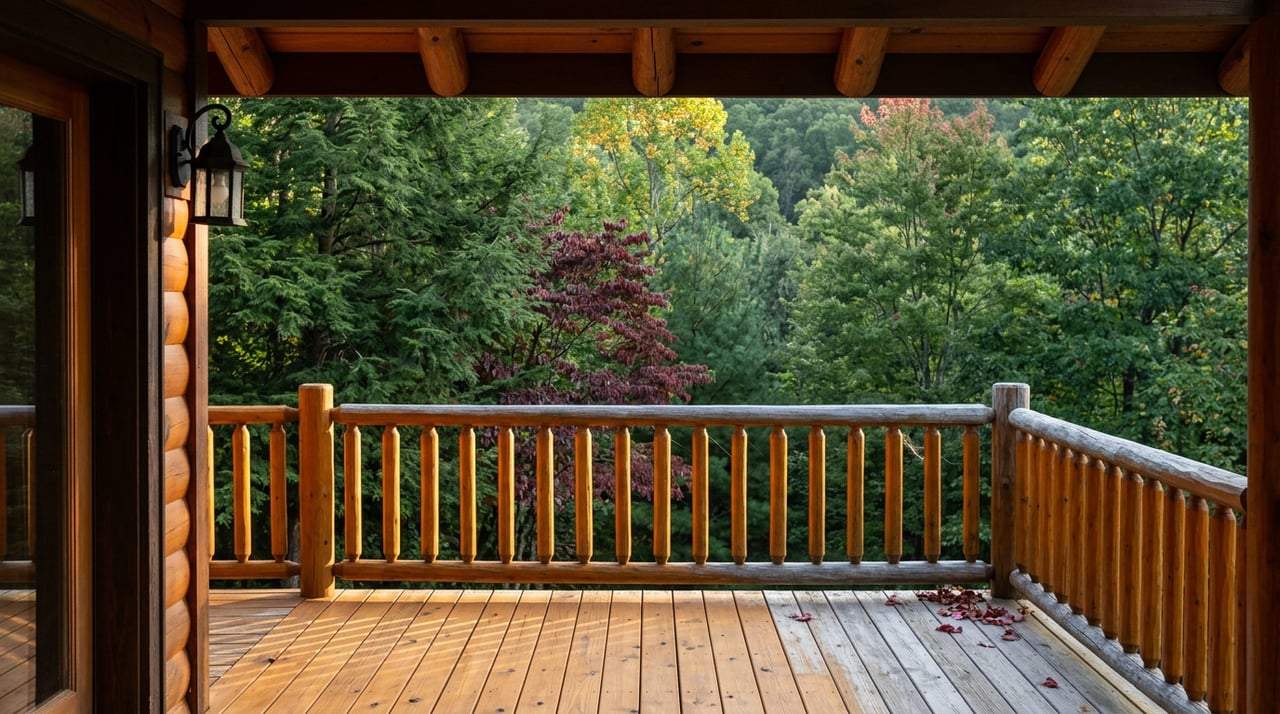
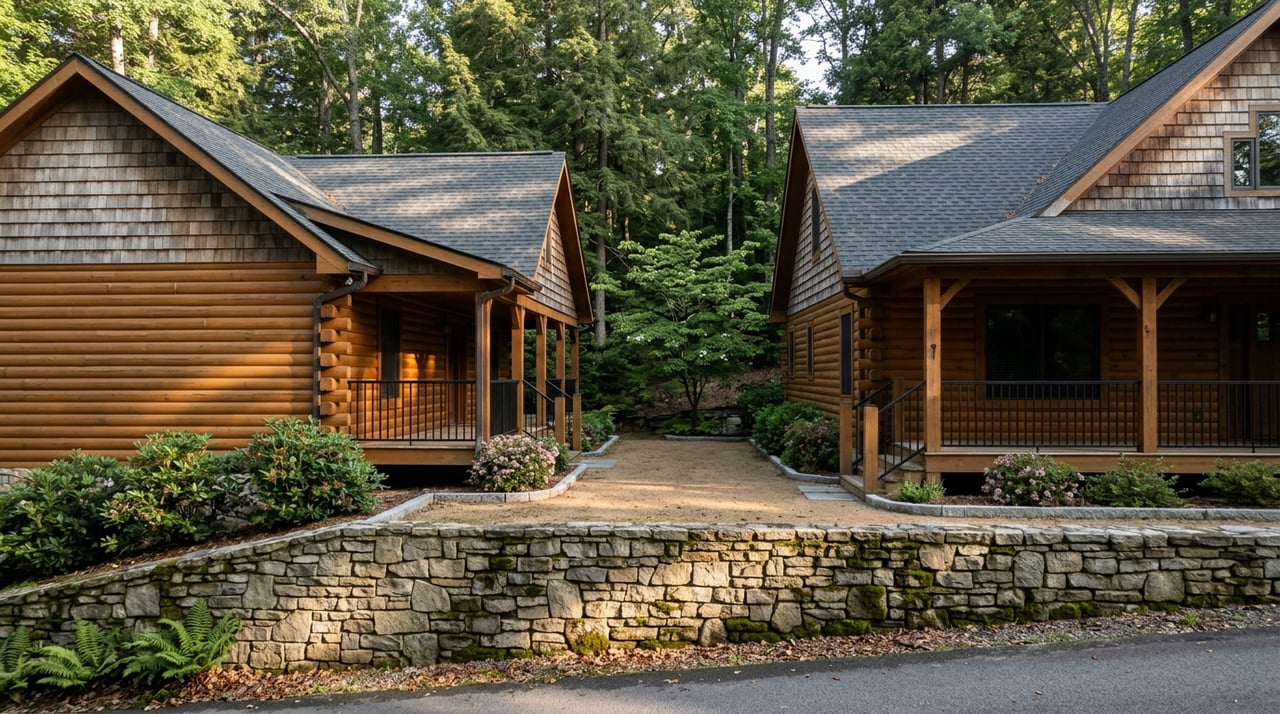
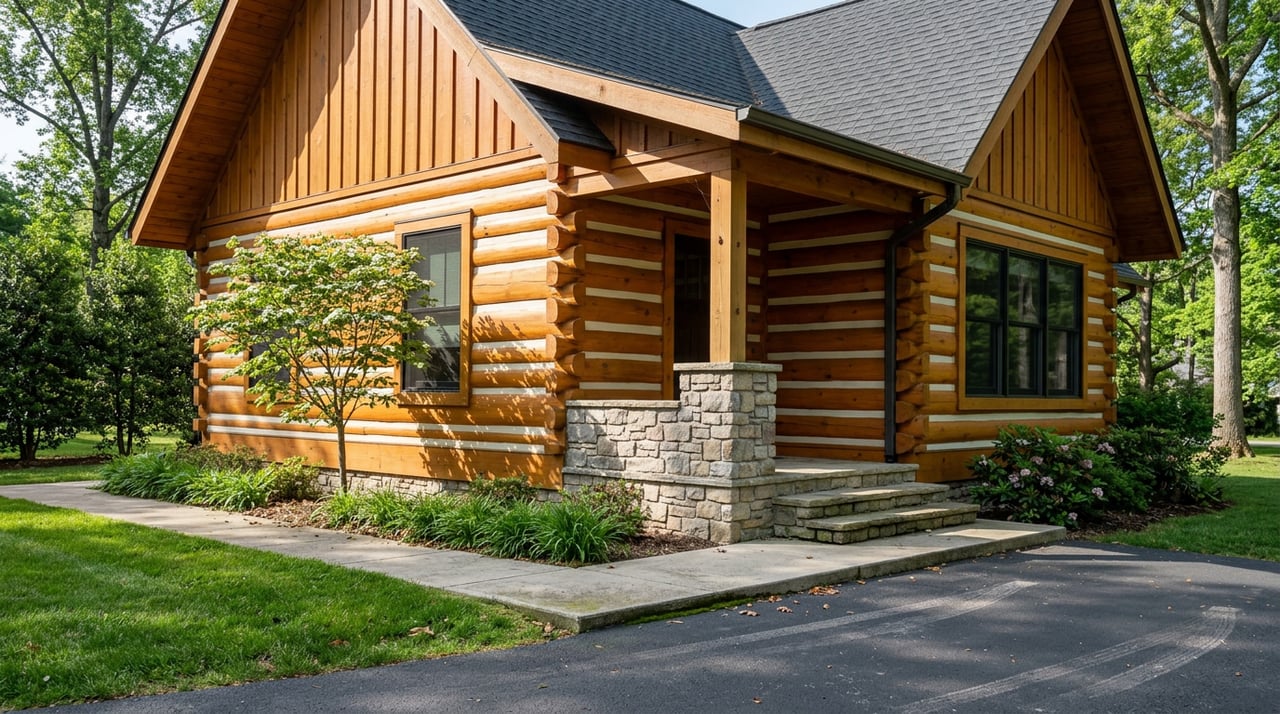
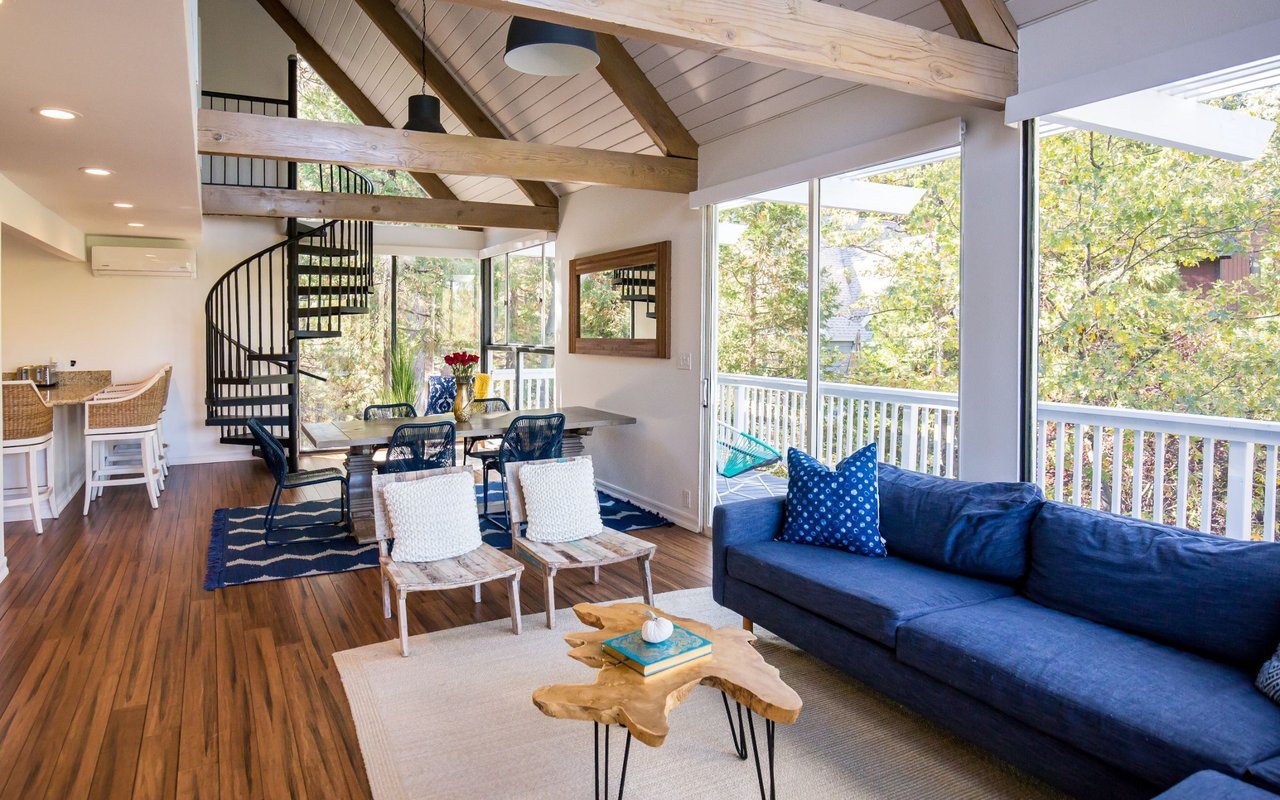
Cabins in this market are designed for comfort and together time. Cabins commonly feature private hot tubs, wraparound decks, fireplaces, game rooms, theater spaces, and high-speed internet. Many include full kitchens, washer/dryers, and off-street parking so trips feel seamless. Pet-friendly options and outdoor fire pits are also typical.
Layouts often include multiple king or queen suites, plus bunk rooms or sleeper sofas, since families and friends tend to travel together. The living areas are usually open and social, with decks that extend the space outdoors. If you plan to host holidays or reunions, you will find a range of options from cozy two-bedroom cottages to large, luxury log homes with 6 to 10 or more bedrooms.
If you prioritize dining and attractions, look at cabins and small cottages close to the Parkway. You trade a quieter setting for quick access to shows, restaurants, and family activities. This is a great fit if you want to park once and spend most of your time in town.
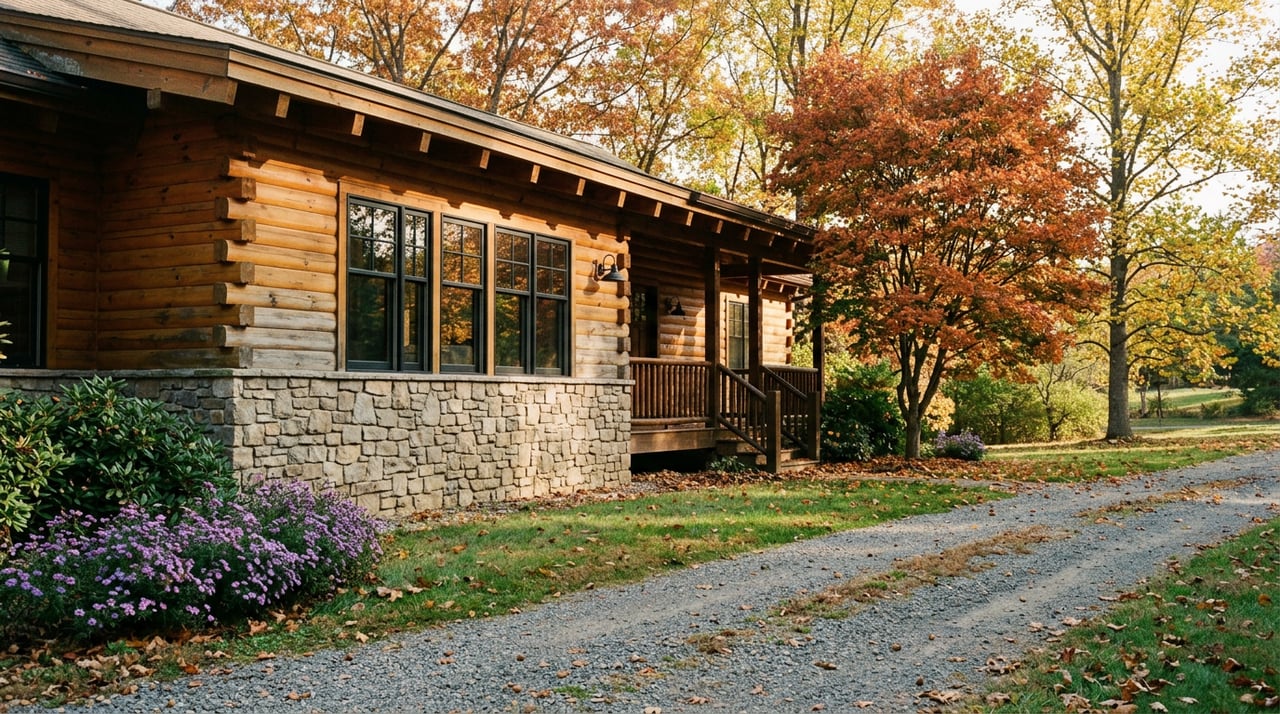
Planned and gated resort communities often include seasonal pools, clubhouses, and community maintenance. Roads are usually easier grade, which some owners prefer for year-round access and guest arrivals. These neighborhoods are popular with buyers who want a community feel and shared amenities for visiting kids and grandparents.
If privacy and views are your must-haves, you will find cabins on ridgelines and wooded parcels a short drive from town. Expect more winding roads and a quieter setting. The payoff is stronger views, a remote-cabin vibe, and starry nights on the deck.
Not every mountain parcel is on city water and sewer. Some cabins rely on private wells and septic systems, which require permits and ongoing maintenance. Local rules also call for proper structural documentation for heavy items like deck-mounted hot tubs. You can review general permitting and rebuild guidance in regional planning documents such as this residential information packet.
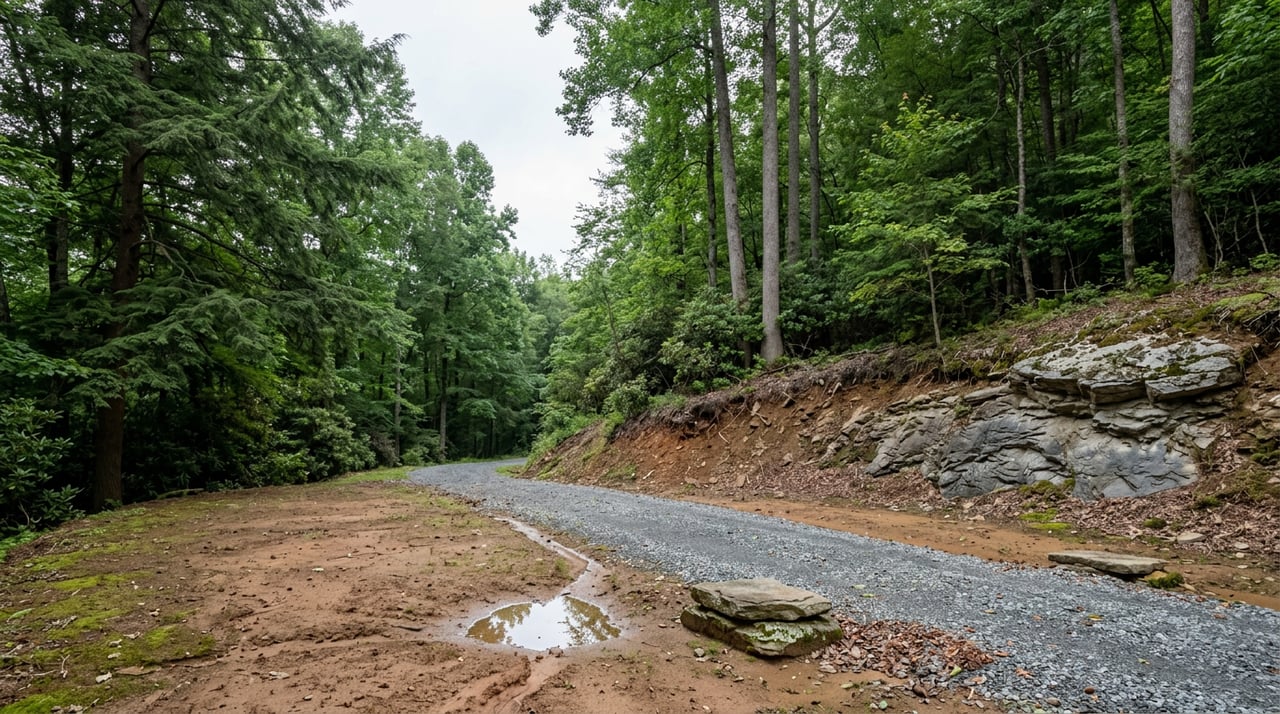
Road access matters year-round. Listings that advertise “no steep roads” or “easy access” do so for a reason, since steep, narrow drives can be tricky in winter and for first-time guests. Resort communities with wider, lower-grade roads can be a good option if you plan frequent visits in all seasons. For context on why accessibility is highlighted, see how cabins market “easy access” in sample listings.
If renting is part of your plan, you need to budget for permits and inspections. Sevier County’s Short-Term Rental Unit Permit Program, effective January 1, 2024, requires an annual permit and life-safety inspection for properties outside city limits. Properties inside Pigeon Forge city limits also require city permitting and fire or building inspections. Common checklist items include smoke and CO alarms, fire extinguishers, address signage, and posted escape routes.
Short-term stays are subject to state and local lodging and sales taxes plus any city occupancy taxes. Marketplaces sometimes collect on your behalf, but owners must still register and confirm filings with authorities. Review an overview of Tennessee requirements in this state lodging tax guide. Also note that Tennessee assesses residential property at 25 percent of appraised value and commercial at 40 percent. In recent years, some non-owner-occupied STRs have been classified as commercial for tax purposes, which can increase the assessed base and raise property tax bills.
Beyond your mortgage and taxes, plan for utilities, trash service, internet, routine maintenance, insurance, cleaning, and any HOA or resort fees. If you have a well or septic system, add regular servicing to your budget. Management fees apply if you hire a rental manager. Be sure to include STR permit fees and any inspection-related repairs in your annual cost plan.
Wildfire history is part of the Smokies story. The 2016 Chimney Tops 2 fire led to significant losses in the region, so it is smart to ask about defensible space, building materials, and insurance coverage when you evaluate any mountain parcel. If you choose a high or exposed site, get insurance quotes early in your process. Also ask about snow or ice removal and who handles it in your community.
For longer stays and multi-generation visits, consider proximity to medical services. LeConte Medical Center in Sevierville provides 24-hour emergency care and many common acute services, which is helpful context if you plan to host parents or young kids. Knowing your route there from the cabin is a good part of your first-weekend checklist.
You deserve guidance that blends the Smokies lifestyle with clear, practical advice on permits, taxes, and property fit. With 20-plus years in Sevier County and an RSPS credential, I help you compare communities, understand rental compliance, and zero in on cabins that match how you want to use your home. If you are thinking about buying or selling a cabin, reach out to Kristi Street to Request a consultation & home valuation.
Stay up to date on the latest real estate trends.
With over 20 years of experience in the Smoky Mountains market, I help buyers, sellers, and investors navigate resort and residential real estate with confidence. My background in short-term rentals gives my clients a strategic edge—from zoning and income potential to identifying properties that truly fit their goals. I approach every transaction with integrity, transparency, and careful attention to detail, so you can move forward informed, protected, and positioned for long-term success.
Let's Connect
405 Boyds Creek Hwy Seymour, TN 37865