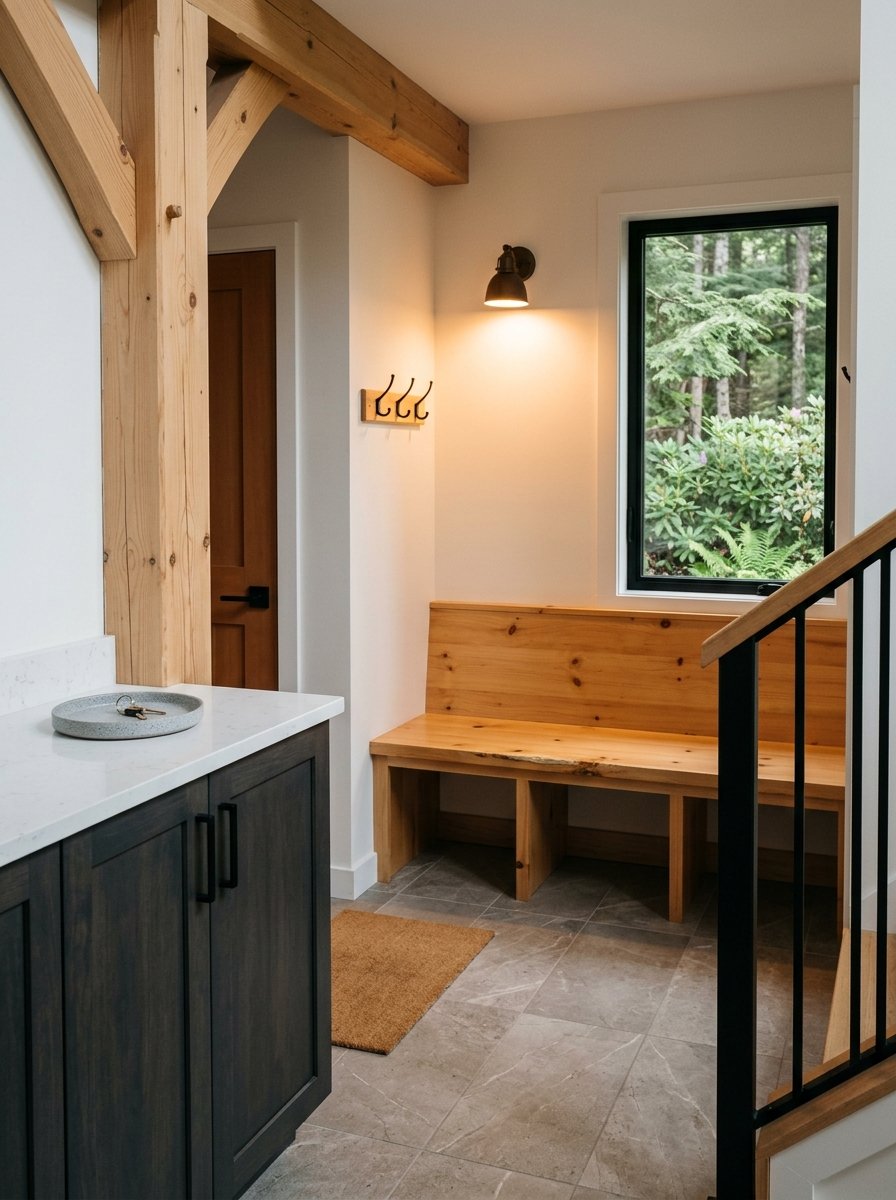
What the Pigeon Forge Cabin Lifestyle Really Feels Like
July 9, 2026
July 9, 2026
Wondering what everyday life really feels like when you own a cabin retreat in Pigeon Forge? It is easy to picture the views and the weekend fun, but the real value comes from how the area works day after day, season after season. If you are thinking about a second home or an investment cabin, this guide will help you picture the local rhythm, the lifestyle mix, and why so many buyers keep coming back to this part of Sevier County. Let’s dive in.
One of the biggest surprises for many buyers is that Pigeon Forge is not just a peak-season destination. It works as a year-round gateway community for Great Smoky Mountains National Park, which is open 24 hours a day, 365 days a year, though some roads and services can change with weather or seasonal schedules.
That year-round pull matters in daily life. The national park drew enough activity in 2024 that visitor spending in nearby gateway communities topped $2 billion, which helps explain why Pigeon Forge stays lively across the calendar.
There is also an important lifestyle distinction here. Cabin life in Pigeon Forge is tied to the surrounding towns, since the national park itself does not have hotels or rental cabins except LeConte Lodge. In practical terms, your retreat experience is built around easy access to town amenities with the Smokies right next door.
A cabin retreat here often feels like two lifestyles in one. You can enjoy a peaceful morning with coffee on the deck, then shift into a full day of dining, attractions, shopping, or park time without a long or complicated drive.
That balance is a big part of Pigeon Forge’s appeal. It feels less like a remote mountain outpost and more like a resort town with a steady everyday rhythm.
Pigeon Forge packs a lot of activity into a relatively concentrated area. Official local tourism resources group the town’s attractions into theme parks and rides, shows and entertainment, museums, and nature-based outings.
That means your cabin can serve as a true home base rather than the only destination. On low-effort days, you can head out for mini golf, an indoor attraction, a show, or major draws like Dollywood and Dollywood’s Splash Country, then be back at your cabin the same evening.
Day-to-day life also feels flexible when it comes to meals. You can stock the kitchen and stay in, or you can go out for anything from casual dining to buffets to dinner theater.
Pigeon Forge’s dining scene includes familiar Southern staples, steakhouses, pizza spots, diners, and full meal experiences. For a cabin owner, that variety makes it easier to shape each stay around your schedule instead of planning every meal in advance.
In some mountain destinations, shopping is limited or incidental. In Pigeon Forge, it is built into the local experience, with outlet stores, specialty shops, craft stores, fresh markets, and seasonal gift shops all part of the mix.
Nearby options in Sevierville add even more variety. If you need to pick up essentials, browse local goods, or spend part of an afternoon indoors, shopping is a practical part of everyday cabin life here.
Many buyers assume mountain towns require constant driving. Pigeon Forge is different in one useful way: the city operates a trolley system that connects key destinations including the Parkway, Dollywood, Wears Valley Road, and the Gatlinburg Welcome Center.
Routes begin and end at the Trolley Station in the Old Mill District. For owners, that can create a more relaxed stay, especially when you want to park once and enjoy a more walk-and-ride-friendly outing.
This does not mean every cabin is trolley-close, but the local transit system adds structure that many vacation markets do not have. That helps support the area’s easygoing day-to-day flow.
The Smokies shape daily life in every season. Great Smoky Mountains National Park offers more than 800 miles of trails and about 2,900 miles of streams, along with fishing, picnicking, wildlife viewing, biking, horseback riding, auto touring, waterfalls, and ranger programs.
Because the park is so close, outdoor time can be as simple or as ambitious as you want it to be. One day might mean a scenic drive, while another could mean a full hiking day or a picnic near a stream.
Spring has a special rhythm in the Smokies. Wildflowers can be found nearly year-round, but the early spring bloom begins building from February through April, with peak lower-elevation bloom usually arriving in mid- to late April.
For cabin owners, this season often feels like a reset. The weather starts to soften, the landscape turns greener, and it becomes easier to mix town outings with trail time and scenic drives.
Summer is one of the most practical times to use a cabin retreat for extended visits. NOAA climate normals from nearby Sevierville show July averaging about 78.3°F, which supports warm-weather outings in town and in the park.
This is the season when many owners settle into a fuller routine. Mornings can start at the cabin, afternoons can include attractions or greenways, and evenings can end with dinner out or a quiet night back on the porch.
Fall is one of the defining experiences of cabin ownership in this area. In the national park, higher elevations can begin changing in mid-September, while lower and mid-elevation color is typically strongest from mid-October through early November.
October is also the busiest month of the year in the park. If you enjoy repeat visits built around scenic drives, cooler air, and changing leaves, fall gives Pigeon Forge a very distinct energy.
Winter in Pigeon Forge is quieter in some ways, but it is far from shut down. The park remains open year-round, weather permitting, and Pigeon Forge continues its seasonal programming with Winterfest and other annual events.
Weather does change with elevation. The National Park Service notes that temperatures can vary by 10 to 20 degrees from mountain base to top, and higher elevations are colder and snowier, with some secondary roads affected by winter conditions.
Nearby Sevierville climate normals show January averaging about 38.2°F, which supports the idea of a real four-season retreat rather than an extreme winter market. For many owners, winter becomes a season for shorter cozy stays, holiday trips, and lights-viewing.
Not every good cabin day needs to center on the national park or major attractions. The City of Pigeon Forge Parks and Recreation Department manages 134 acres of park land and more than 6 miles of greenways, along with walking trails, sports fields, tennis courts, playgrounds, an outdoor pool, and a community center.
That gives you more ways to enjoy the area at a slower pace. If you want a morning walk, a casual afternoon outdoors, or a break from the busiest tourism corridors, local recreation options help round out daily life.
Part of what makes a Pigeon Forge cabin feel so usable is the steady event calendar. Official local tourism materials highlight recurring events like Springfest, Wilderness Wildlife Week, Patriot Fest, Appalachia Fest, Quiltfest, Saddle Up, and Winterfest.
Patriot Park also hosts annual Winterfest lights, July 4 fireworks, and Patriot Festival activities. For owners, these recurring events make it easier to build traditions around your cabin instead of treating it as a one-time getaway.
When you put it all together, life at a Pigeon Forge cabin retreat is usually about flexibility. You have access to quiet private time, but you are also close to dining, entertainment, shopping, parks, and one of the most visited national parks in the country.
That makes ownership appealing for both lifestyle buyers and investors who want a property in a place with repeat-use potential. Spring wildflower visits, summer family stays, fall color weekends, and winter holiday trips all fit naturally into the area’s year-round pattern.
If you are considering buying here, it helps to look beyond photos and focus on how the location supports real use. The best cabin retreats in Pigeon Forge are not just pretty properties. They fit the way you actually want to spend your time.
Whether you are searching for a second home, a short-term rental investment, or a cabin with long-term flexibility, local insight matters. Kristi Street can help you evaluate location, lifestyle fit, and income potential with the kind of on-the-ground guidance that matters in the Smoky Mountain market.
Stay up to date on the latest real estate trends.
With over 20 years of experience in the Smoky Mountains market, I help buyers, sellers, and investors navigate resort and residential real estate with confidence. My background in short-term rentals gives my clients a strategic edge—from zoning and income potential to identifying properties that truly fit their goals. I approach every transaction with integrity, transparency, and careful attention to detail, so you can move forward informed, protected, and positioned for long-term success.
Let's Connect
405 Boyds Creek Hwy Seymour, TN 37865